


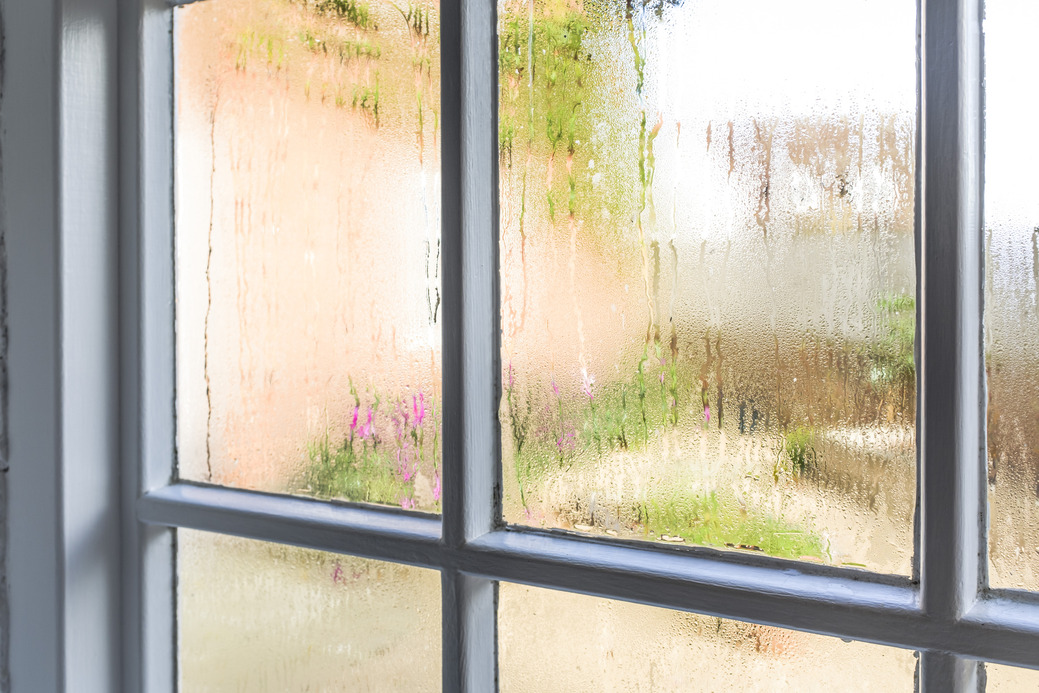
As the temperature drops, many homeowners wake up to the same winter problem: wet windows.
You may notice droplets running down the glass, moisture collecting around the frame or a patch of mist that simply will not wipe away.
But condensation on windows does not always mean the window has failed.
Where the condensation appears tells you a great deal about what is causing it.
Condensation on the room-side surface is usually linked to indoor humidity and cold glass. Moisture trapped between double-glazing panes is more likely to indicate a failed sealed unit. Condensation on the outside can actually be a sign that your glazing is insulating effectively.
Here is how to tell the difference.
Why Does Condensation Form on Windows?
Warm air can hold more moisture than cold air.
Everyday activities such as showering, cooking, drying clothes and even breathing add water vapour to the air inside your home.
When that warm, moist air reaches a sufficiently cold surface — often a window during winter — it cools and releases some of that moisture as condensation.
Older or inefficient glazing can make the problem more noticeable because the internal glass surface becomes colder.
Benchmark Windows supplies double and triple-glazed windows designed to improve insulation and reduce cold spots around the home.
However, better windows are only one part of the picture. Ventilation and indoor humidity matter too.
Condensation on the Inside of Windows
If you can wipe the moisture away from the inside surface, the glass itself has not necessarily failed.
Condensation on the inside of windows usually indicates that warm, humid indoor air is meeting a colder pane of glass.
You may notice it particularly:
- First thing in the morning
- In bedrooms
- After showering
- While cooking
- When drying washing indoors
- During periods of very cold weather
Some condensation on particularly cold mornings can be normal.
Persistent heavy condensation, however, is worth addressing because continued moisture around frames, walls and reveals can contribute to damp and mould.
How to Stop Condensation on Windows
Reducing indoor condensation normally means managing both moisture and ventilation.
Useful steps include:
- Use extractor fans while cooking and showering
- Keep trickle vents open where fitted
- Avoid drying large amounts of washing indoors without ventilation
- Open windows periodically to allow moist air to escape
- Maintain reasonably consistent indoor temperatures
- Wipe away persistent water rather than allowing it to sit on frames
Modern replacement windows are generally more airtight than older products, which is good for energy efficiency but makes suitable ventilation particularly important. The Energy Saving Trust recommends keeping trickle ventilators open where they are installed.
Why Do I Have Condensation on New Windows?
Seeing condensation on new windows can be frustrating because homeowners often assume new glazing should eliminate the problem completely.
In reality, new windows may make a home considerably more airtight.
Older windows sometimes allowed uncontrolled draughts that removed moist indoor air — while also allowing valuable heat to escape.
Once those draughts disappear, household moisture can remain inside for longer unless there is adequate ventilation.
Modern glazing may reduce internal condensation because the inner pane stays warmer, but it cannot prevent condensation caused by excessive indoor humidity altogether.
So moisture on the room side of a new window does not automatically indicate an installation fault.
Condensation Between Double-Glazing Panes
This is different.
If the mist appears inside the sealed cavity between two panes of glass, you cannot wipe it away from either side.
That is commonly described as misted double glazing.
Double glazing relies on a sealed unit containing two panes separated by an insulating cavity. If the edge seal deteriorates and moisture enters that cavity, misting can develop.
The Energy Saving Trust identifies condensation between window panes as a sign that the double glazing may be allowing air into the sealed unit, reducing its effectiveness.
Other signs can include:
- Persistent fogging
- Water droplets between panes
- Discolouration inside the unit
- A cloudy appearance that changes with temperature
This type of condensation is much more likely to indicate a glazing problem than ordinary moisture on the inside surface.
Does Misted Double Glazing Mean I Need New Windows?
Not necessarily.
If the frames are still in good condition, it may be possible to replace the failed insulated glass unit rather than replacing the complete window.
Benchmark Windows provides replacement double glazing in Sussex as well as complete window replacement.
However, full replacement may become worth considering where misted units are combined with other problems such as:
- Draughts
- Damaged or deteriorating frames
- Poor operation
- Multiple failed units
- Low thermal performance
- Older single or early-generation double glazing
Benchmark’s previous guidance identifies fogging between panes, frame deterioration and poor energy efficiency among the signs that older windows may be approaching replacement.
What About Condensation on the Outside of Windows?
This is usually good news.
Condensation on the outside of windows often appears on highly insulated glazing on cold, clear mornings.
The window is doing such a good job of keeping heat inside the house that the external pane remains cold.
When outdoor air meets that cold surface, condensation can develop temporarily.
The Energy Saving Trust notes that external condensation is not normally a problem and can actually indicate that the window is performing efficiently.
It usually disappears naturally as the temperature rises.
When Should You Consider Replacement Windows?
Condensation alone should not be the deciding factor.
Consider having your windows assessed if you are also noticing:
- Misting between the panes
- Cold draughts
- Damaged seals
- Rotting or deteriorating frames
- Difficulty opening or closing
- Significant cold spots
- Several glazing units beginning to fail
Modern energy-efficient windows can reduce heat loss and keep the internal surface temperature warmer, which may help reduce surface condensation in suitable conditions.
Benchmark Windows offers bespoke double and triple-glazed windows in uPVC, aluminium, timber and hybrid systems for homes across Sussex.
For properties where thermal performance is particularly important, options such as Internorm windows are available in both double- and triple-glazed specifications.
Frequently Asked Questions
Why do I get condensation on the inside of my windows overnight?
Bedrooms can accumulate moisture overnight from breathing, while temperatures also fall. If the internal glass becomes cold enough, that moisture can condense on the surface. Improving ventilation and controlling indoor humidity can help.
Does condensation between double glazing mean the window has failed?
It usually means the sealed glazing unit has failed and moisture has entered between the panes. You may only need to replace the glass unit if the window frame itself remains in good condition.
Is condensation on the outside of new windows normal?
Yes. External condensation can occur on efficient glazing because very little indoor heat reaches the outer pane. It is usually temporary and does not mean there is a fault with the window.
Concerned About Misted or Condensation-Covered Windows?
The first step is identifying where the condensation is forming.
Moisture on the inside often points towards humidity and ventilation. Moisture between the panes suggests a failed sealed unit. Moisture outside is frequently simply a sign of good insulation.
If you have misted double glazing in Sussex, draughty older windows or glazing that is beginning to fail, Benchmark Windows can assess whether replacement glazing or a complete window upgrade is the more appropriate solution.
Explore Benchmark Window’s double and triple-glazing options or contact the team to discuss your windows.
Benchmark Window’s showroom is in Lancing, West Sussex, and the team can be contacted on 01903 756699.