


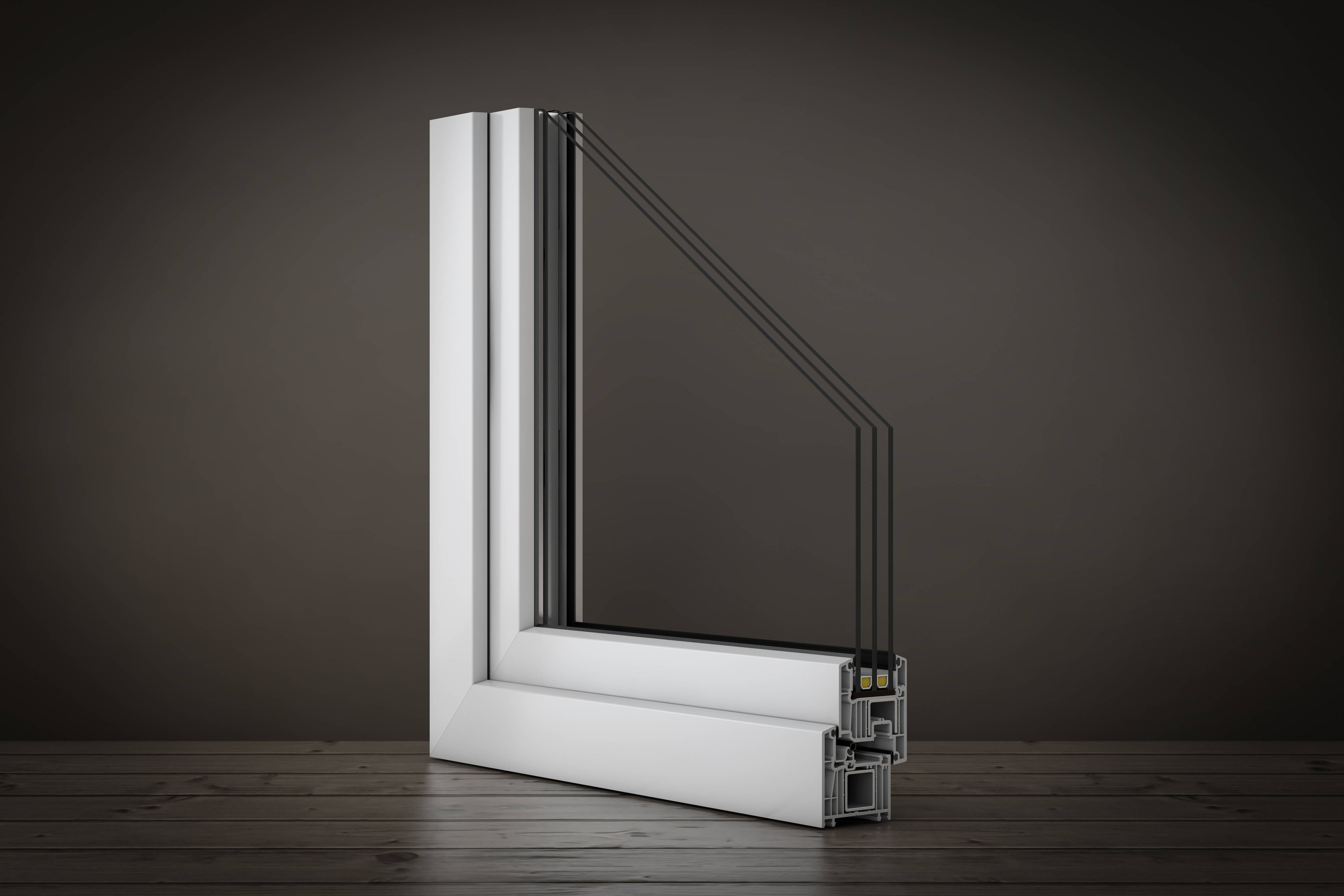
When replacing your windows, you may be presented with two different recommendations: choose A-rated windows or upgrade to triple glazing.
However, these terms do not describe the same thing.
An A rating measures the overall energy performance of the complete window, including its glass, frame and airtightness. Triple glazing simply means the window contains three panes of glass instead of two.
Triple glazing will generally provide stronger thermal insulation, but a well-designed A-rated double-glazed window may still be the better choice for your home and budget.
Here is what you need to know before deciding.
What Are A-Rated Windows?
Window energy ratings work in a similar way to the familiar labels used on household appliances.
The British Fenestration Rating Council assesses windows on a scale from A++ to E. The calculation considers three important factors:
- How much heat escapes through the window
- How much useful heat enters from sunlight
- How much heat is lost through uncontrolled air leakage
This means an A-rated window is assessed as a complete product—not only by the number of panes it contains.
A-rated windows can be double or triple glazed. Their performance may also be improved by low-emissivity glass, insulated frames, warm-edge spacer bars, gas-filled cavities and effective seals.
What Is Triple Glazing?
Triple glazing contains three panes of glass, separated by two insulating cavities. These gaps are normally filled with air or an inert gas such as argon.
The additional pane and second cavity reduce heat transfer, helping to keep the internal surface of the window warmer during winter.
Compared with double glazing, triple glazing can offer:
- Lower heat loss
- Fewer cold spots near windows
- Improved comfort in winter
- Better protection against external noise
- Reduced internal condensation in some circumstances
Benchmark Windows supplies bespoke double and triple-glazed windows across Sussex, with options available in uPVC, aluminium, timber and hybrid materials.
Triple Glazing vs Double Glazing: Which Is More Efficient?
When comparing triple glazing vs double, triple glazing will generally provide the lower U-value.
A U-value measures how easily heat passes through a window. The lower the figure, the better the window is at limiting heat loss.
However, the U-value does not provide the complete picture. The window’s frame, seals, installation quality and ability to benefit from solar warmth also affect its overall energy performance.
This means a high-quality A-rated double-glazed window can perform better than a poorly designed or incorrectly installed triple-glazed product.
For the most accurate comparison, ask for both:
- The whole-window energy rating
- The whole-window U-value
Do not compare the centre pane of glass alone, as this excludes heat loss through the frame and edges.
Quick Comparison
| Consideration | A-rated double glazing | Triple glazing |
|---|---|---|
| Number of panes | Two | Three |
| Thermal insulation | Very good | Usually better |
| Weight | Lighter | Heavier |
| Natural light | Typically slightly higher | May be slightly reduced |
| Cost | Usually lower | Typically higher |
| Best suited to | Most UK homes | Exposed, cold or highly insulated homes |
| Noise reduction | Good | Can be better with the correct glass specification |
Does Triple Glazing Save More on Energy Bills?
Triple glazing can reduce heat loss more than double glazing, but the difference in energy bills will depend on your property.
Factors include:
- The performance of your existing windows
- The size and number of windows
- Your home’s insulation
- The heating system and thermostat settings
- The direction each window faces
- Local weather and exposure
- How long the heating is used
The greatest improvement normally comes from replacing old single glazing or draughty, inefficient double glazing.
The Energy Saving Trust estimates that replacing single glazing throughout a semi-detached home with A-rated double glazing could save approximately £85 per year in Great Britain, based on its current assumptions. It also notes that triple glazing typically costs around 20% more than double glazing.
Triple glazing may save more energy, but the additional financial saving may not always recover the higher initial cost quickly.
Which Homes Benefit Most From Triple Glazing?
Triple glazing may be particularly worthwhile when:
- Your property is in an exposed or coastal location.
- Large windows create noticeable cold areas.
- You are completing a highly insulated renovation.
- You are building a low-energy home.
- Rooms face north or receive limited winter sunlight.
- External noise is a significant concern.
- You plan to remain in the property long term.
It can also be useful for large areas of glazing, where improving the U-value may make a noticeable difference to comfort.
Benchmark Windows offers triple-glazed Internorm windows in uPVC, timber-aluminium and uPVC-aluminium configurations for projects requiring particularly strong thermal performance.
When Is A-Rated Double Glazing Enough?
A-rated double glazing will often provide an effective balance of performance and value for a typical UK home.
It may be the more suitable choice when:
- You are replacing single glazing or old double glazing.
- Your home already has good roof and wall insulation.
- You live in a relatively sheltered location.
- You want to control the overall project cost.
- The existing frames are unsuitable for heavier triple-glazed units.
- Preserving slim window proportions is important.
Modern double glazing can include low-E glass, argon gas and warm-edge spacers, making it significantly more efficient than older double-glazed windows.
How Much Do A-Rated Windows Cost?
When researching A rated windows cost, it is important to compare like for like.
Prices are affected by:
- Window dimensions and style
- Frame material
- Double or triple glazing
- Opening mechanisms
- Colour and finish
- Access and installation requirements
- Bespoke shapes or heritage details
Rather than selecting the lowest-priced product, compare the complete specification, energy rating, U-value, guarantees and installation service.
Poor installation can allow draughts and heat loss to undermine the performance of even the most advanced glass.
What Are the Best Windows for Insulation?
The best windows for insulation are not automatically those with the highest number of panes.
Look for a combination of:
- A strong window energy rating
- A low whole-window U-value
- Low-E glass
- Insulated frames
- Warm-edge spacer bars
- Effective weather seals
- Professional installation
Your property type and priorities should determine the final specification.
For many homes, A-rated double glazing will offer excellent performance. For exposed properties, extensive glazing or low-energy projects, triple glazing may provide worthwhile additional comfort and insulation.
Speak to Benchmark Windows
Benchmark Windows supplies and installs bespoke, energy efficient windows for contemporary and period properties across Sussex.
The team can compare double and triple-glazed options based on your property, budget and energy-efficiency goals, helping you select a window that delivers the right balance of appearance, comfort and performance.
Visit the Benchmark Windows showroom in Lancing or call 01903 756699 to discuss your project.
Leave a Reply