


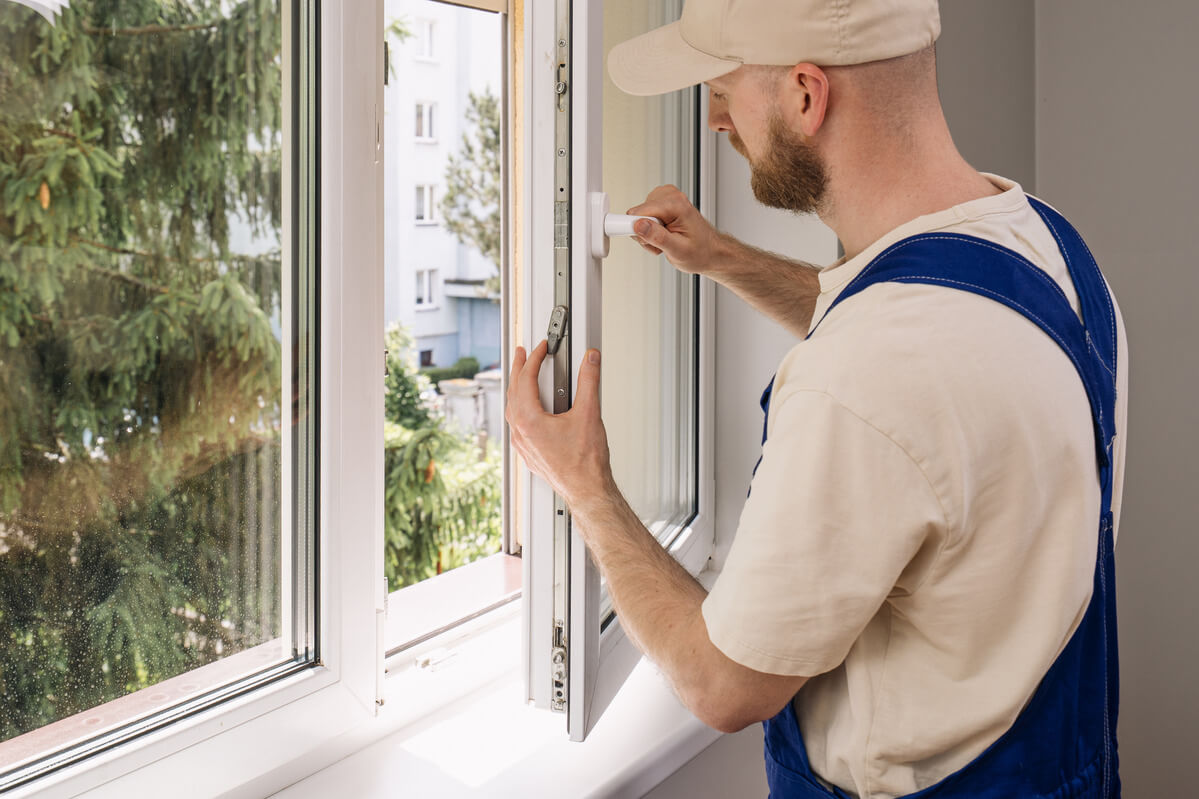
As the weather gets colder, keeping your home warm without allowing heating costs to climb becomes a priority.
While loft and wall insulation often receive much of the attention, windows and doors also play an important role in how comfortable and energy efficient your home feels.
Older single glazing, ageing frames, damaged seals and poorly fitting doors can allow valuable heat to escape. Replacing them with modern energy-efficient windows and doors can reduce heat loss, minimise cold spots and draughts and help your heating system maintain a more comfortable indoor temperature.
If you are considering upgrading your windows or doors before winter, here is what to look for and how much difference modern glazing could make.
How Do Windows Affect Home Energy Efficiency?
Windows provide natural light and ventilation, but they also create a point through which heat can be transferred between the inside and outside of your property.
Energy-efficient glazing is designed to reduce this heat transfer.
Modern double and triple glazing use multiple panes of glass separated by sealed cavities. Together with insulated frames, suitable spacer bars and effective seals, these elements help slow the movement of heat through the complete window.
The Energy Saving Trust identifies several benefits of upgrading to energy-efficient glazing, including reduced heat loss, fewer draughts and cold spots, less internal condensation and improved protection against external noise.
Benchmark Windows supplies bespoke double- and triple-glazed solutions in uPVC, aluminium, timber and hybrid materials for both contemporary and period properties across Sussex.
How Much Could Double Glazing Save?
The amount you save will depend heavily on what you are replacing.
A home with old single-glazed windows is likely to experience a much greater improvement than a property that already has reasonably efficient modern double glazing.
The Energy Saving Trust currently estimates that replacing all single glazing in a typical semi-detached home in Great Britain with A-rated double glazing could save approximately £140 a year on energy bills.
However, this should be treated as an example rather than a guaranteed saving.
Actual savings will depend on factors such as:
- The size and type of your property
- The condition of your existing windows
- The amount of glazing in the home
- Your heating system
- How you use your heating
- Your energy tariff
- The specification of the replacement windows
- The quality of installation
The financial saving is also only one benefit. Many homeowners notice an improvement in comfort because the internal glass surface is warmer and draughts around ageing windows are reduced.
Double or Triple Glazing: Which Is Better for Winter?
Double glazing contains two panes of glass, while triple glazing adds a third pane and another insulating cavity.
Triple glazing will generally provide stronger thermal insulation, but that does not automatically mean it is the best choice for every property.
Modern, high-quality double glazing can provide excellent performance for many UK homes. Triple glazing may be particularly attractive where:
- The property is very exposed
- Large areas of glazing are being installed
- Rooms experience significant cold spots
- The home is designed to very high energy-efficiency standards
- External noise is also a concern
- You plan to remain in the property for many years
Benchmark offers both double and triple glazing, including high-performance Internorm windows available in double- or triple-glazed configurations.
Rather than choosing based purely on the number of panes, compare the overall thermal performance of the complete window.
Understand Window Energy Ratings
One useful way to compare energy-efficient windows is through their Window Energy Rating.
The British Fenestration Rating Council system rates windows from A++ to E. The rating considers the complete window rather than simply the glass, including heat loss, air leakage and useful solar gain.
You may also see a U-value quoted.
A U-value measures how easily heat passes through a material or product. In simple terms, a lower U-value represents better insulation.
When comparing windows, ask about the whole-window U-value, not simply the centre-pane performance of the glass.
The combination of a strong energy rating, low U-value and appropriate specification provides a much clearer picture of how efficiently a window should perform.
Don’t Forget Your Doors
Replacing inefficient windows while ignoring an ageing front or back door can leave another source of draughts and heat loss untouched.
A modern energy-efficient door may incorporate:
- Insulated construction
- High-performance glazing
- Effective seals and weatherstripping
- Multi-point locking that helps create a tight seal
- Low U-values
- Thermally efficient frames
Benchmark’s hybrid doors combine timber internally with aluminium externally and are designed with high thermal performance and low U-values in mind.
Benchmark also supplies products from brands including Internorm and VELFAC, with entrance-door options designed to combine energy efficiency, security and contemporary styling.
The installation itself matters too. Even an advanced door will not deliver its intended thermal performance if gaps around the frame allow cold air to enter.
How Do You Know if Your Windows Need Replacing?
Not every older window needs immediate replacement, but there are several signs that your existing glazing may no longer be performing effectively.
Look for:
- Noticeable draughts around frames
- Rooms that become cold quickly
- Condensation trapped between panes
- Damaged or deteriorating frames
- Windows that no longer close properly
- Failed seals
- Single glazing
- Persistent cold areas next to windows
- Increasing difficulty opening or locking windows
If you are unsure, a professional assessment can help distinguish between a window that requires repair and one where replacement would provide a worthwhile improvement.
Are There Grants for Replacement Windows in 2026?
This is an area where homeowners should be cautious about outdated information online.
The former Green Homes Grant voucher scheme is closed, while the Great British Insulation Scheme officially ended on 31 March 2026.
There are still energy-efficiency funding programmes available to some households, but they should not be described as universal replacement-window grants.
For example, the Warm Homes: Local Grant operates in England and supports eligible low-income households living in privately owned homes with an EPC rating of D to G. Improvements are determined following an assessment and can include measures such as insulation, solar panels, smart controls and heat pumps. Eligibility and the measures offered depend on the property and local scheme.
ECO4 also continues until 31 December 2026, although its focus is on supporting low-income, vulnerable and fuel-poor households and improving less energy-efficient homes.
If you are hoping to fund energy improvements, check the latest GOV.UK guidance or speak directly to your local authority rather than relying on older articles advertising a generic window-replacement grant.
Other Ways to Reduce Heat Loss This Winter
New windows and doors can form part of a wider approach to improving home energy efficiency.
Simple measures can also include:
- Closing curtains or thermal blinds after dark
- Draught-proofing suitable older windows and doors
- Checking external doors close tightly
- Keeping radiators clear of furniture
- Servicing your heating system as recommended
- Insulating lofts and walls where appropriate
- Using heating controls effectively
The Energy Saving Trust recommends measures such as thermal curtains and draught-proofing where full window replacement is not immediately possible.
However, take care not to block purpose-designed ventilation. Modern replacement windows may incorporate trickle vents to maintain background ventilation, and these should be used as intended.
Frequently Asked Questions
If you currently have single glazing, failed units, draughty frames or very old inefficient double glazing, replacement windows may significantly improve comfort and reduce heat loss. The benefit will depend on the condition and performance of your existing windows.
Triple glazing generally offers stronger thermal insulation because it has an additional pane and insulating cavity. However, a high-quality A-rated double-glazed window can still provide excellent performance for many homes.
An A-rated window has been assessed for its overall energy performance, taking account of factors including heat loss, draughts and solar gain.
Energy-efficient glazing can reduce condensation on the internal glass surface because the inner pane stays warmer. Persistent condensation elsewhere in a home may also indicate humidity or ventilation issues, so replacing windows is not necessarily the complete solution.
There is no general Green Homes Grant for replacement windows in 2026. Some eligible households may receive energy-efficiency improvements through schemes such as the Warm Homes: Local Grant, but the work offered is determined through the relevant scheme and property assessment.
Prepare Your Home for Winter With Benchmark Windows
Improving your windows and doors can help reduce unnecessary heat loss while making your home feel warmer, quieter and more comfortable throughout the colder months.
Benchmark Windows supplies and installs bespoke energy-efficient windows and doors across Sussex, with options including uPVC, aluminium, timber and hybrid frames alongside double and triple glazing.
The team can help you compare glazing, frame materials and thermal performance to find a solution suited to your property, style and budget.
Visit Benchmark’s showroom in Lancing, West Sussex, or call 01903 756699 to discuss your project.
Leave a Reply